
ENZYMES

AMYLIZ
Amyliz liquefies starch into fermentable sugars and soluble dextrins, reduces wort viscosity, and ensures standardization of brewing yield. Used during mashing.
OPTIFLOW
OptiFlow hydrolyzes the beta-glucans from the wort, optimizes and reduces filtration time regardless of malt quality, and facilitates clarification in the Whirlpool.
OPTIBREW
OptiBrew is an enzymatic complex that hydrolyzes both structural polysaccharides (glucans, xylans) and fermentable polysaccharides.
AMYLIZ MAX
Amyliz Max is an enzymatic preparation concentrated in glucoamylase. It is a starch-degrading enzyme that also hydrolyzes dextrins and amylopectin into fermentable sugars.

AMYLIZ FINISHER
Amyliz Finisher ensures the hydrolysis of starch still present in cold wort transferred to the fermenter.
Fungal amylase does not impact beer attenuation (does not affect limit dextrins) and naturally degrades over time.
AMYLIZ ATTENU PLUS
Amyliz Attenu Plus is an enzymatic preparation concentrated in pullulanase and glucoamylase that degrades all polysaccharides into fermentable sugars.
OPTIFAN
OptiFan is an enzyme that degrades instable proteins responsible for cold-haze (≤50kDa).
Ideal for the production of gluten-free beers (<20ppm).
Added during fermentation, OptiFan releases amino acids and peptides favorable for yeast nutrition.
YEASTS

CLASSIC LAGER
Classic Lager is a true “must” for producing Helles, Pilsner, Schwarzbier, Bock, India Pale Lager, and Dopplebock. A delicate strain, capable of highlighting the organoleptic qualities of the malts and hops selected by the brewer.
HIP-HOP LAGER
Hip-Hop Lager is a flexible yeast, ideal for standardizing production in the brewery. It is capable of fermenting at various temperatures.

POP ALE
Pop Ale is the ideal yeast for producing various styles of top fermented beer. It ensures respect and expression of the brewer’s recipe thanks to its neutrality and slight fruity notes.
ROCK ALE
Rock Ale is a fast-fermenting yeast that has already won over many Craft brewers. It offers a high aromatic intensity with fruity, floral, and spicy notes.
FOLK ALE
Folk Ale is a strain suitable for Belgian-style beers. It produces floral and spicy esters. Its authentic profile and medium attenuation guarantee the smoothness and roundness of your beers.
JAZZ SOUR
This lactic acid brings the typical freshness of these beer styles while limiting the risks of contamination.
EXCELLENCE E2F
Excellence® E2F is a re-fermentation yeast highly appreciated by brewers.
Its characteristics of tolerance to high concentrations of alcohol and CO2, combined with its great aromatic neutrality, strong sedimentation, and resistance to low pH, make it an indispensable tool for the re-fermentation of your beers.
NUTRIENTS
CRAFT ACTIVE
Craft Active promotes yeast multiplication and limits fermentation risks.
Craft Active is a specific nutrient made from ammonium salt and vitamin B1 (thiamine) directly assimilable by yeast.
STABILIZATION

MASH REDOX
Mash Redox effectively protects the wort against lipid oxidation in the mash tun. It significantly reduces the action of lipoxygenase (LOX), responsible for most off-flavors in the finished product.
BEER REDOX
Beer Redox provides protection against oxidation and preserves the aromatic potential of the beer, with an addition just before bottling. Very useful for reducing dissolved oxygen in the finished product, it is not recommended for bottle-conditioned beers.
MASH REDOX NATURE
Mash Redox Nature protects the wort just as effectively by inhibiting lipoxygenase. The composition of this technological aid, free of SO2, allows its use in brewing to produce organic beer, ensuring optimal aromatic freshness in the finished product.

SILICA SOL (LIQUID)
Silica Sol is a colloidal silica suspension. It enables beer clarification by connecting with sensitive beer proteins.
GALLOTAN BEER
GalloTan Beer connects to some of the sensitive proteins, sedimenting with the trub or at the latest at the beginning of fermentation, removed during the first purge.
POLYSTAB
PolyStab is a colloidal stabilizer composed of polyvinylpolypyrrolidone – PVPP and SiO2 – Silica Gel.
It acts by combined adsorption of polyphenols (proanthocyanidins or anthocyanidins), catechins (flavonoids), and sensitive beer proteins.
PVPP
PVPP is made of pure micro-granulated polyvinylpolypyrrolidone – PVPP.
The stabilizer allows brewers to focus on stabilizing polyphenols, in cases where their proportion is too high, potentially affecting the beer with a risk of oxidation and/or colloidal instability.
SILICA GEL (POWDER)
Silica Gel is the most effective SiO2 – silica gel for stabilizing beers produced by adsorption of sensitive proteins responsible for colloidal haze, the infamous “chill haze.”
COLLE DE POISSON
Colle de poisson is particularly recommended for combined action of yeast sedimentation when it is slow or absent, as well as protein stability.
It quickly connects with yeast proteins to form a flocculating ensemble, promoting a compaction that optimizes losses.
POTASSIUM METABISULFITE
Pyrosulfite de Potassium in liquid solution for nonrefermented beer before bottling.

LACTICIDE
Lacticide is an endo-glucanase based on lysozyme (E1105), specific to Gram-positive bacteria (Leuconostoc, Lactobacillus, and Pediococcus).
SORBASOL
A yeast inhibitor, Sorbasol is composed of potassium sorbate (E202).
This preservative has antifungal properties that prevent yeast growth, which is particularly responsible for gushing in kegs and bottles.
GUMS
GOMME L.A.
Gomme L.A. ensures the stability of a suspended haze and foam, with a target of ≥ 320 seconds (Nibem method), even when the foam-promoting protein content of the malts is low.
GOMME L.A. BIO
For the production of organic beer, the use of certified organic gum arabic is available in powder form. It is recommended to dilute the gum in hot water (+65°C) at a ratio of 1:10 to ensure good homogenisation and to deliver a sterile solution into the beer. Gomme L.A. BIO can be used during foam formation (bottle-conditioned beer).
EXCELGOM
Excellence for both blonde beers and specialty beers seeking a more stable and intense foam.
Added after the filtration of the beer or before bottling, ExcelGom is diluted in hot water (+65°C) at a ratio of 1:10 to ensure good homogenisation and to deliver a sterile solution into the finished product. It can be used during foam formation (bottle-conditioned beer).
ACIDITY CORRECTORS
CITRIC ACID
Citric acid occurs naturally in beer through yeast metabolism, but brewers also add it to control pH, enhance acidity, and introduce citrusy brightness in certain styles. It helps lower mash pH, improving stability and reducing spoilage risk. In fruit-forward beers and hard seltzers, it’s often added for extra tartness and brightness.
LACTIC ACID
Lactic acid is used in brewing to control pH for optimal fermentation and to add tartness in sour styles like Gose or Berliner Weisse. Although it can indicate bacterial spoilage, brewers often add food-grade lactic acid to the mash, kettle, or fermenter to fine-tune acidity and achieve the desired flavor profile.
FILTER AID
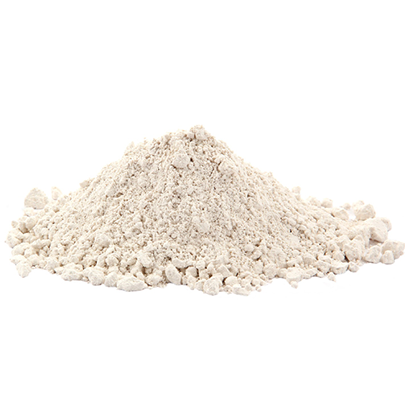
Our filter aids are designed to support optimised production flow by improving clarification, enhancing filtration efficiency, increasing cycle length and ensuring beverage stability. With a vast range, there’s an optimal solution for every application and target.
Our range includes, but is not limited to the following:
Colour
Particle size Ø (microns)
pH (10% slurry)
FP1
Buff/Pink
12.7
6.5
FP4
Buff/Pink
15.0
6.5
FW13
White
28.0
9.5
FW14
White
28.0
9.5
FP22
Buff/Pink
22.0
6.0
FW60
White
48.0
10.0